Facial Massage Benefits
A careful overview of the experience and appearance goals people seek, with limits on evidence and claims.
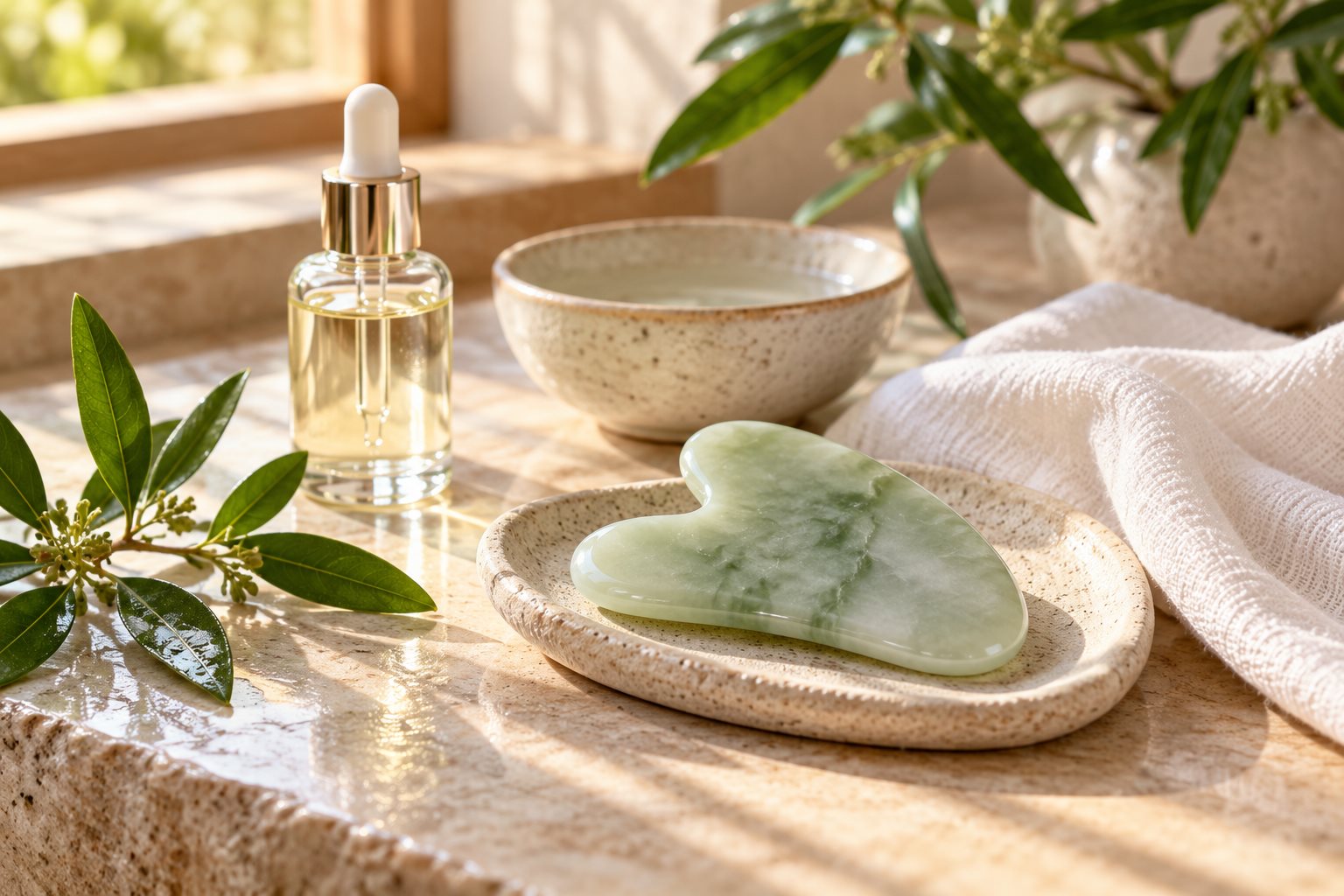
Quick answer
Some people use facial massage as part of a relaxing skincare routine. Temporary sensations or appearance changes should not be confused with lasting medical or structural effects.
The most useful next step is to compare the actual service description and ask direct questions. Menu names are shorthand, not a universal standard. Your comfort, budget, access needs, and reason for booking should guide the choice.
Separate short-term appearance from lasting change
A relaxing skincare routine can be worthwhile as a personal preference. Temporary changes in how skin looks or feels do not establish permanent lifting, fat loss, collagen changes, or treatment of a skin disorder. Photographs can also differ because of light, angle, and products.
When considering a paid service, ask what is actually included and which outcomes are realistic. Compare comfort, product suitability, hygiene, time, and cost. Be cautious about buying a long package based on a promised transformation after one demonstration.
What the service label can tell you
A service name gives a starting point, but it does not guarantee a fixed sequence, pressure level, or outcome. Providers may adapt their approach to the appointment and your stated preferences. Before booking, look for a clear description of the areas covered, session length, whether the listed time is hands-on, and any equipment or products involved.
If a description is vague, contact the business and ask what a typical session includes. A good answer should be specific enough for you to picture the experience without making promises about medical results. You can also ask whether a modification is possible and how you can communicate during the session.
How to make a useful comparison
Start with the appointment itself rather than the promotional wording. Compare the advertised duration, expected hands-on time, total price, cancellation terms, room setup, and any add-ons. When comparing two options, put the same assumptions beside each one: same number of guests, similar appointment length, and the same treatment of service fees and gratuity.
| Detail to compare | Question to ask | Why it matters |
|---|---|---|
| Session format | What happens during the appointment? | Clarifies techniques and sequence. |
| Time | How many minutes are hands-on? | Separates appointment time from treatment time. |
| Price | What will I pay at checkout? | Reveals fees and optional extras. |
| Preferences | Can I request lighter pressure or changes? | Keeps the experience within your comfort. |
| Practical needs | Are access or positioning accommodations available? | Helps you plan before arrival. |
Choosing what fits your preferences
Think about the kind of experience you want: broad or focused attention, warmth or no added heat, a quiet pace or a more active sequence, and a particular area or a general session. These are preference questions rather than a test with one correct answer. If you are unsure, describe what you want to feel more or less of and ask the provider which service is the closest match.
You are allowed to change your mind. Before the appointment begins, you can clarify boundaries, ask how draping works, and agree on a signal or phrase to change pressure. During the service, speak up if something is uncomfortable, too warm, too intense, or simply not what you expected. A provider should respond respectfully.
Planning for price and time
Prices vary by location, provider setting, appointment duration, and included amenities. This guide does not present a made-up national average. Compare the written price for the exact service you want and check whether taxes, facility charges, or other fees are added. If you plan to tip, decide what fits your budget; gratuity is a personal choice and not legally required.
Also confirm arrival time and hands-on minutes. Some appointments include intake, changing, or a closing conversation in the scheduled slot. That may be perfectly reasonable, but it is useful to know in advance. Our massage price guide and session length comparison explain how to compare these details.
Safety, comfort, and expectations
Massage is a wellness service, not a replacement for diagnosis or medical care. Do not rely on a service description to treat a health condition, injury, or persistent symptom. If you have a health concern, ask a qualified clinician whether massage is appropriate for your situation and share relevant instructions with the provider.
For any service involving heat, tools, skin products, or focused pressure, ask what will be used and how you can pause or stop. Avoid continuing through sharp pain, burning, numbness, or skin irritation. The provider should explain the setup and welcome reasonable questions.
A simple booking checklist
Before confirming, make sure you can answer these questions: What is included? How long is hands-on treatment? What is the complete price? What should I wear or bring? Can I request adjustments? What are the cancellation terms? If one answer is missing, ask before paying a deposit or traveling.
Afterward, note what worked for you: pressure, pace, room temperature, communication, and time. That record makes a future appointment easier to tailor. You do not need to buy an add-on or schedule a series to get value from a single visit.
Key takeaways
- Service labels vary, so confirm the actual format with the provider.
- Compare hands-on time and complete price alongside the advertised duration.
- Your comfort and boundaries remain central; communicate changes at any point.
- Wellness services should not be presented as guaranteed medical treatments.
- Choose the option that fits your preferences and budget rather than a promised result.
Frequently asked questions
What should I know about facial massage benefits?
Some people use facial massage as part of a relaxing skincare routine. Temporary sensations or appearance changes should not be confused with lasting medical or structural effects. Ask the provider to explain the details of their particular service before booking.
How do I decide whether this is right for me?
Compare the format, time, cost, and your comfort preferences. If you have a medical concern, discuss suitability with a qualified clinician.
Can I ask for a change during the appointment?
Yes. You can ask for a pressure, temperature, positioning, or technique adjustment, or ask to pause or stop.
Sources and further reading
This consumer guide avoids specific medical treatment claims. For general context, see the National Center for Complementary and Integrative Health and the American Massage Therapy Association consumer resources. Review source applicability and current wording before launch.
Reviewed for editorial clarity by the Massage Choice Guide Editorial Team. This page is consumer information, not medical advice.